Sacred Light & Fire Traditions: From Varanasi to Pingxi
Across human civilization, no element possesses the same spiritual resonance as fire. From pre-historic hearths to modern celestial festivals, flame represents the triumph of knowledge over ignorance, warmth over winter, and spirit over physical mortality.
"Fire is not merely a tool of heat, but humanity's oldest altar—a glowing bridge connecting earthly labor to celestial mysteries."
1. The Ganges Aarti of Varanasi (India)
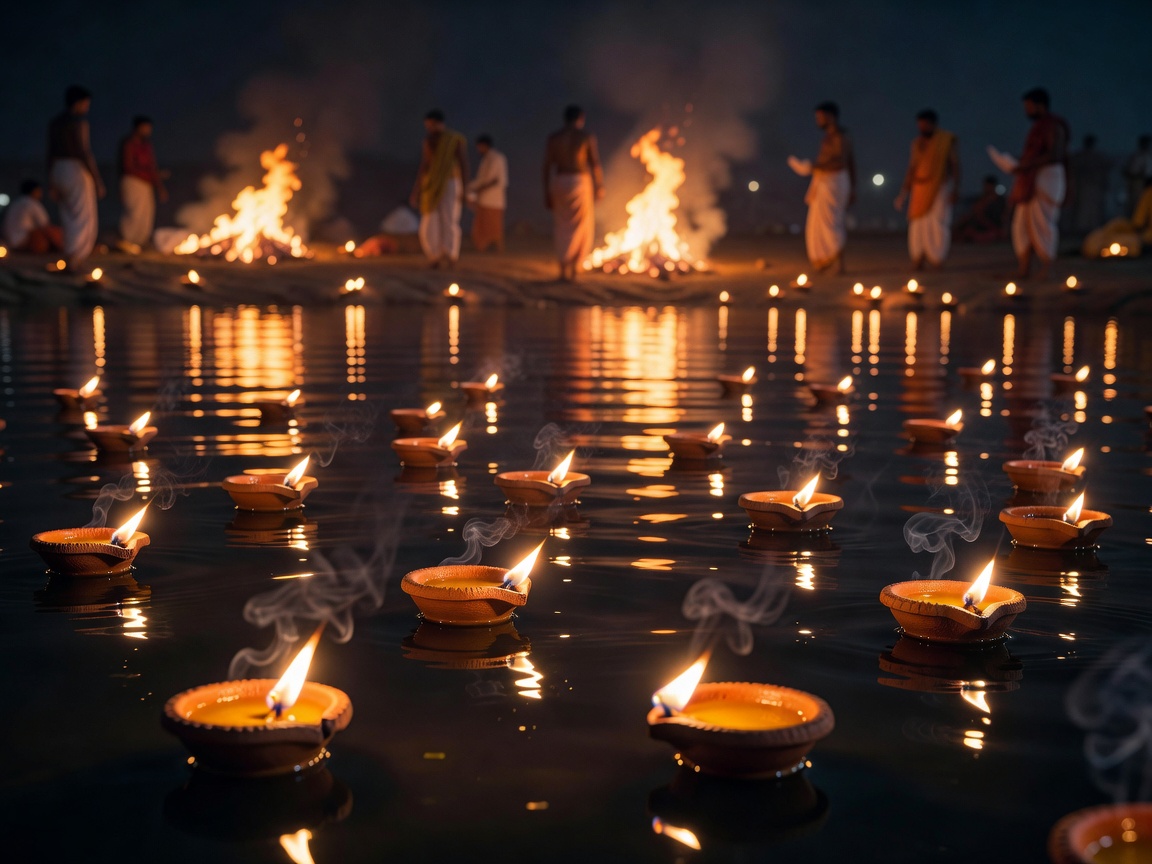
Every evening at dusk along the Dashashwamedh Ghat in Varanasi, Hindu priests perform the Ganga Aarti ritual. Multi-tiered brass lamps filled with burning ghee are rhythmically circled in devotion to the sacred River Ganges. The synchronized chants, brass bells, and floating clay lamps (diyas) create a tapestry of light that has endured for centuries.
2. The Celestial Wishes of Pingxi (Taiwan)
In contrast to the anchored flames of river rituals, the sky lanterns of Pingxi utilize heat to transcend gravity. As hundreds of rice-paper lanterns rise into the night air above mountain forests, individual written prayers become collective constellations visible for miles around.
3. Celtic Samhain & The New Fire
In ancient Gaelic tradition, Samhain marked the end of the harvest and the onset of winter. Villagers extinguished their home hearths and rekindled them from a central sacred bonfire lit by Druid priests. This shared flame symbolized community unity and spiritual defense against the dark cold months ahead.
Conclusion: The Universal Metaphor
Whether floating upon sacred rivers or rising into the midnight sky, light rituals remind us of our collective desire to leave an enduring mark of hope upon the cosmos.